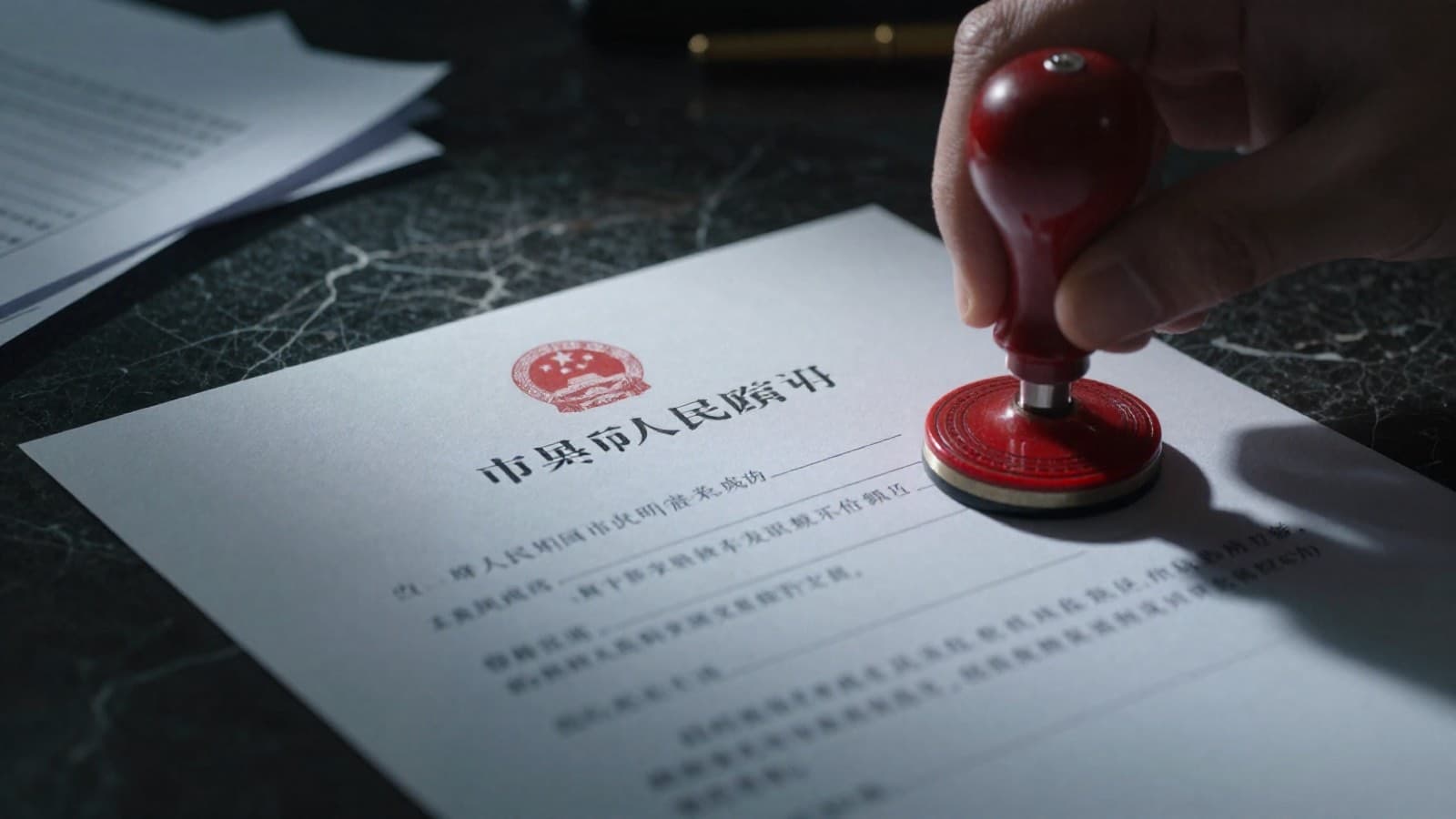
The Trump administration has ordered the removal of DeepSeek technologies from US federal civilian agency systems, citing risks to sensitive data and supply chain security.
The Department of Homeland Security directive requires agencies to stop acquiring and to eliminate all products and services from the Chinese company, including third-party solutions built on its technology. The scope covers not only the conversational interface but also any integrated components used across government IT environments.
Departments explicitly named in the order include the Department of the Treasury, Department of State, and Department of Justice. The Department of Defense is excluded from this particular directive, though this does not imply authorization for military use of the technology.
The order was initially issued on 24 July 2026 and made public on 19 October, with formal publication scheduled in the Federal Register on 20 October. It continues a series of restrictions that began with a January 2025 block by defense information systems agencies and further limits imposed by Commerce Department offices in March 2025.
Officials highlight concerns over possible access to government data by Chinese authorities and the presence of cybersecurity weaknesses, including critical flaws previously identified in the company's iOS application. The directive does not claim confirmed instances of data exfiltration or confirmed malware in every deployment.
Agencies may apply for exceptions or additional compliance time by submitting written justification to the Department of Homeland Security within the 60-day window following issuance of the order.