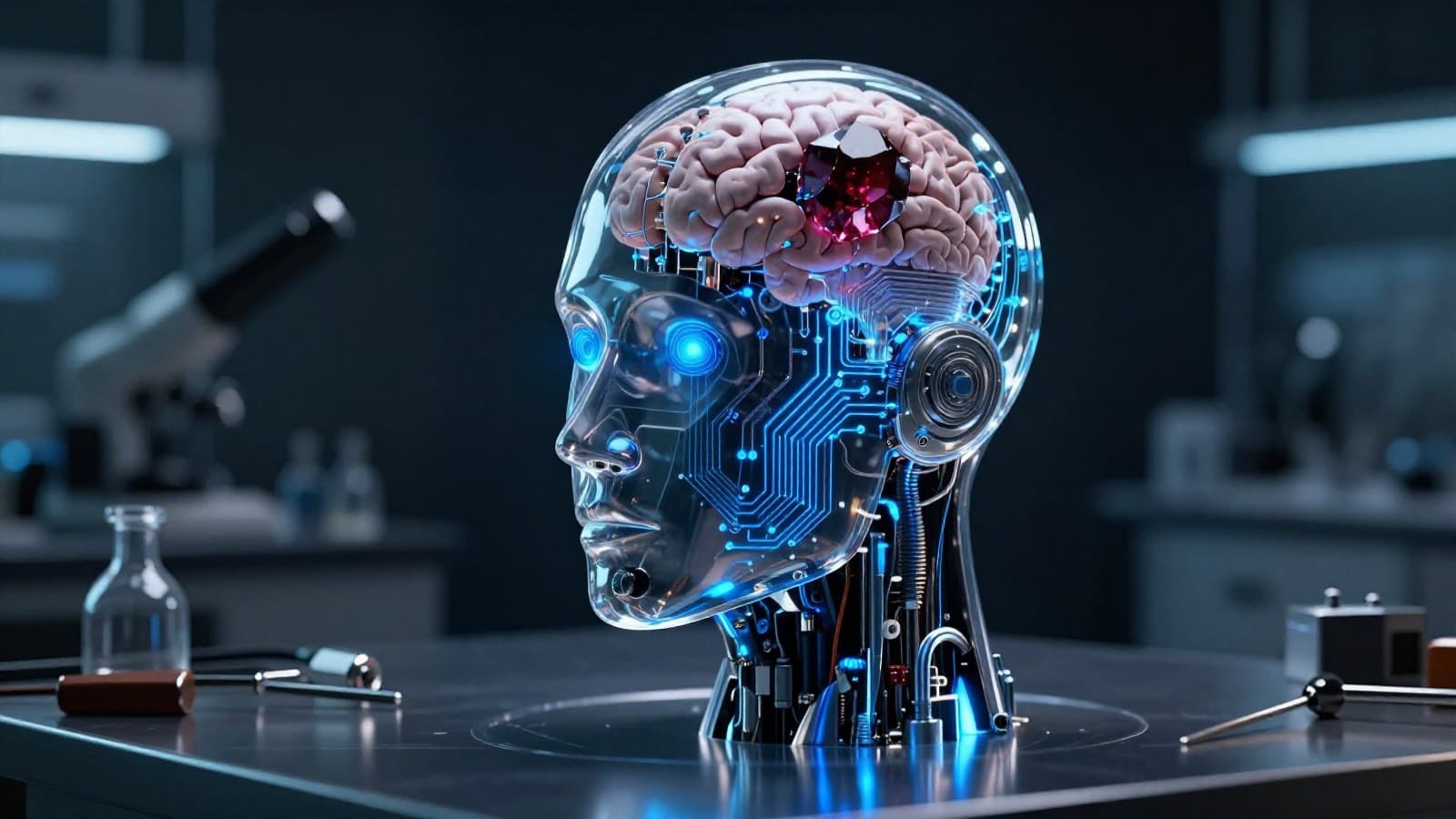
Security teams require dedicated AI training rather than simply deploying new AI tools, warns a detailed analysis of workforce readiness in cybersecurity.
According to Casey Marks, Ph.D., Chief Operating Officer at ISC2, artificial intelligence now touches nearly every area of cyber defense. Teams must protect not only networks and data but also models that make autonomous decisions and execute actions at machine speed.
Key Findings from the ISC2 2025 Cybersecurity Workforce Study
The ISC2 2025 Cybersecurity Workforce Study shows that among professionals reporting at least one skills gap, AI ranked first at 41 percent. Currently, 28 percent of global respondents have already integrated AI security tools — including generative AI and agent-based systems — into operations, while another 41 percent are actively evaluating or testing such solutions.
Experts emphasize that acquiring AI capabilities must be integrated into broader cybersecurity and risk-management strategies rather than treated as an isolated initiative driven by fear of falling behind.
Required AI Competencies Across Security Domains
The following areas represent critical competencies that cybersecurity professionals should develop:
- Security and Risk Management: Understanding how AI resources alter an organization’s overall risk posture.
- Asset Security: Ensuring data integrity throughout the entire AI lifecycle and preventing training data from being manipulated by malicious actors.
- Security Architecture and Engineering: Designing secure enclaves for high-performance AI workloads and implementing robust input validation to defend against prompt-injection and adversarial attacks.
- Identity and Access Management (IAM): Leveraging behavioral biometrics and adaptive authentication powered by AI.
- Operational Security: Integrating AI and machine learning into SOAR platforms, reducing alert fatigue, and providing analysts with enriched context for faster response.
- Security in Software Development: Using AI-assisted coding tools while mitigating risks of hallucinated vulnerabilities or insecure code snippets generated by large language models.
Organizations that combine investment in people, processes, and technology while embedding AI governance before deployment will be best positioned to maintain trust and resilience.