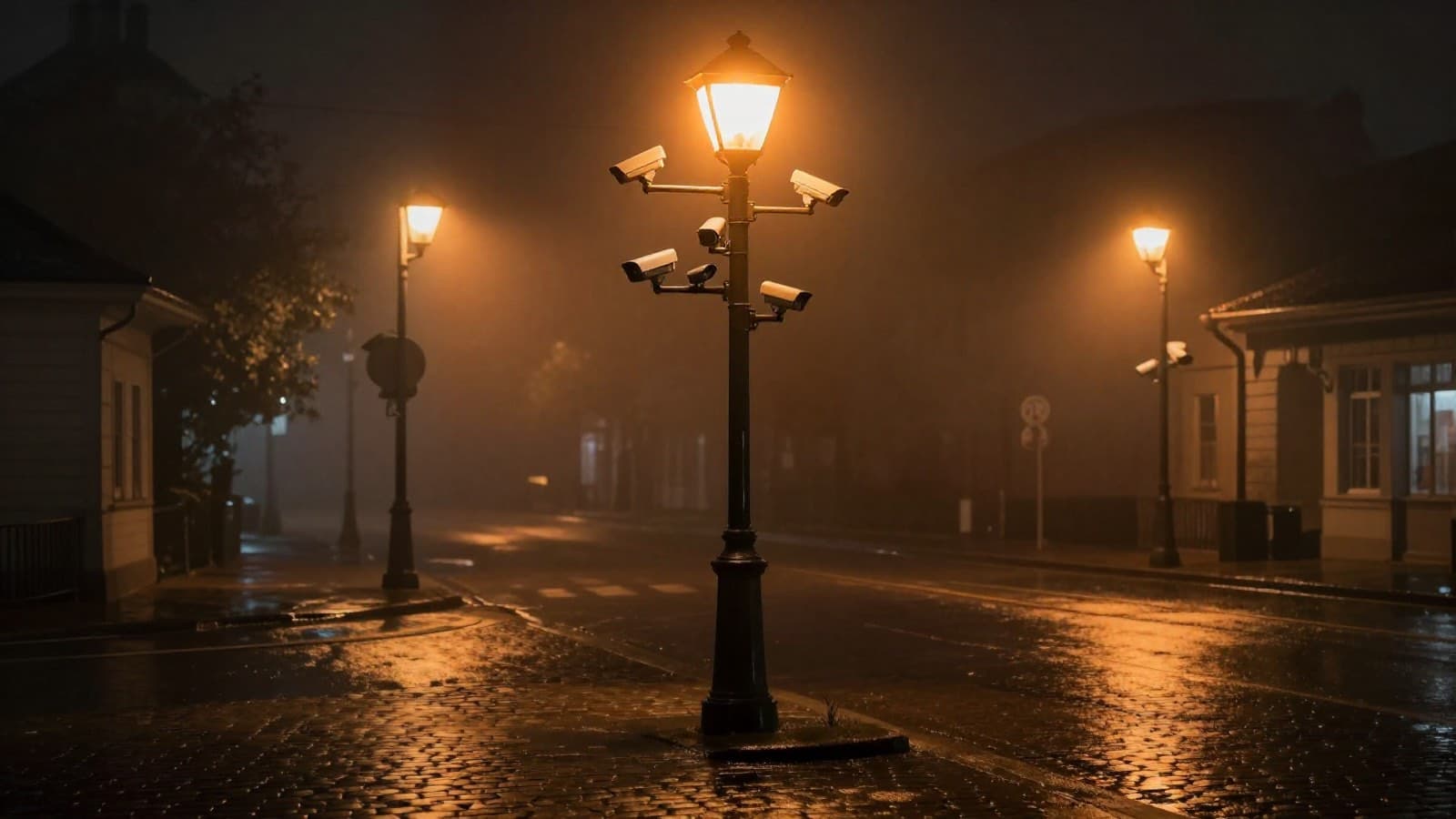
The Netherlands Institute for Human Rights has issued a warning in its annual report that Dutch authorities are gathering ever more information on demonstrations and demonstrators.
This growing data collection could discourage people from taking part in protests or speaking out in public debate. The information may include participants’ names, places of residence, political or religious beliefs, and details about organizers.
"The fact, or even the mere feeling, of being monitored by the government leads some people to stop participating in demonstrations or even withdraw from public debate altogether. We must prevent this," the institute stated.
The monitoring affects both participants and organizers. Research shows that some municipalities request extensive details when a demonstration is registered, such as the burgerservicenummer, copies of identification documents, information on residence permits, the average age of participants, or descriptions of attendees.
Such requests hinder the possibility of anonymous demonstration. Civil society organizations also report that municipalities sometimes ask for data from social media accounts.
The practice not only deters participation but also causes some organizers to reduce contact with authorities, for example by not pre-registering events. In response, authorities may collect information through other means, potentially creating a vicious circle of mistrust, monitoring, and rising tensions.
The institute recommends limiting the collection of personal data, making information processing more transparent, and breaking this cycle. "More powers lead to excessive monitoring, control, and distrust," it concluded.