Enea, a Stockholm-based telecom and cybersecurity firm, has disclosed details of a previously unknown espionage group it named SilentAir. The group compromised equipment inside mobile network operators in at least six Asian countries and used the access to intercept calls and SMS messages, focusing primarily on targets in Taiwan.
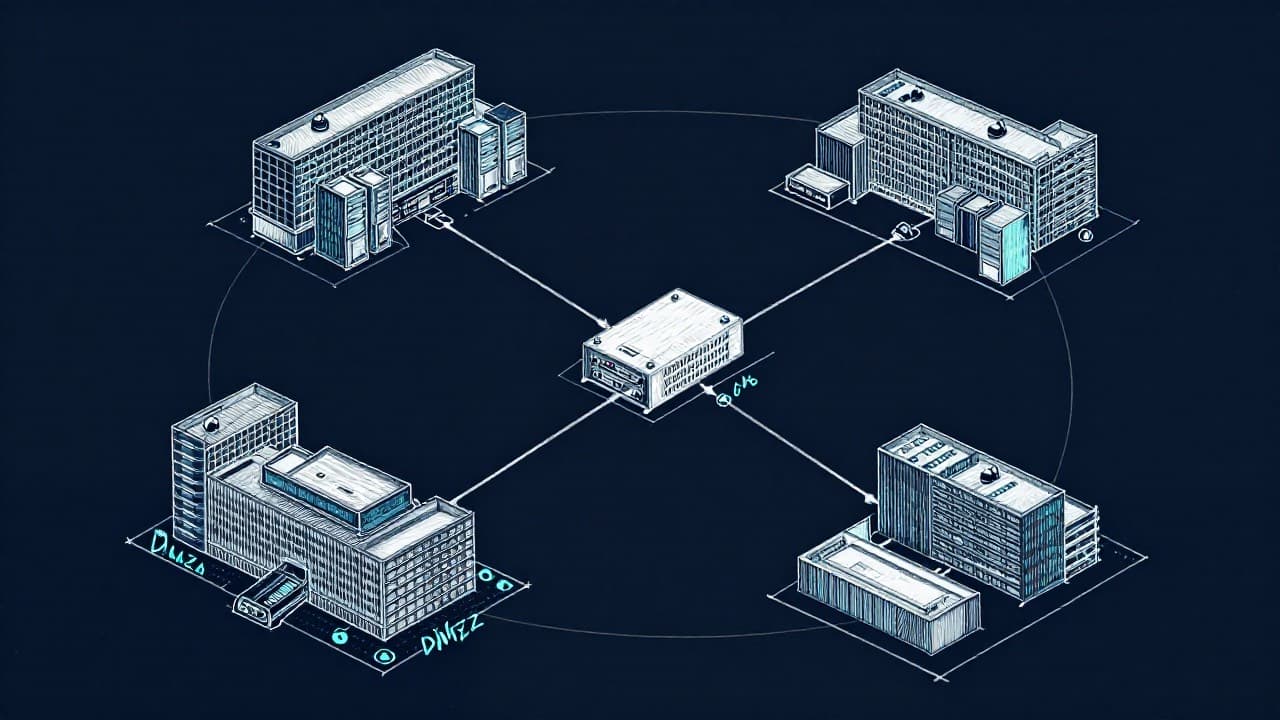
Mobile operators rely on the SS7 and Diameter protocols to route calls, texts, and roaming traffic across the trusted IPX interconnection network. SilentAir injected attacks from the compromised equipment by sending UpdateLocation messages (or their Diameter equivalents) that falsely claimed the hacked nodes were now serving the target subscribers. When accepted, this diverted calls and texts to the attackers.
The company observed successful interceptions of two-factor authentication codes immediately after diversions took effect, indicating attempts to compromise additional accounts. Interception represented 18.3 percent of SilentAir activity, compared with only 2.1 percent for typical commercial surveillance actors. Some targets included political and government VIPs, and in rare cases equipment in multiple countries coordinated against the same individuals.
SilentAir also sent large volumes of silent SMS messages. During daytime hours these were used mainly to verify whether diversions had succeeded. At night the majority targeted Taiwanese subscribers, possibly to confirm that earlier diversions remained active while phones were least likely to re-register to their legitimate locations. The messages carried spam-like English text as a disguise in case operators stripped the silent flag.
Activity patterns showed bursts lasting up to a month followed by gaps of several months. Targets outside Taiwan were concentrated in Southeast and East Asia, with occasional activity in East Africa, Central Asia, the Middle East, and Europe. Enea assessed SilentAir as a state-level actor with high confidence but linked it to China only with low confidence, citing its Taiwan focus and working-hour alignment with UTC+8.
Possible connections to the Liminal Panda group and the SCTPE (also known as SIGweaver) Linux kernel trojan were examined but remain unconfirmed. SilentAir demonstrated stronger operational security than previously observed Liminal Panda activity and could respond to messages it had not originated, a capability not present in known SCTPE samples.
Enea recommends that operators deploy GTP-C and GTP-U firewalls integrated with existing SS7 and Diameter controls, treat the entire IPX as untrusted, and extend signaling security monitoring inside their own networks.