Japan's Fugaku supercomputer, operated by the RIKEN Center for Computational Science, has been taken offline following a security breach. The organization confirmed that between November 10 and 13 an unauthorized party exploited the public dashboard displaying Fugaku's operational status to gain access to multiple internal servers.
Although RIKEN has not yet determined the precise access method, its investigation confirmed that the intruder accessed servers to plant malware targeting user data. The following details have been compromised:
- Names, email addresses, and user IDs of 4,222 Fugaku users
- Names and email addresses of 375 Rikyu users
- SSH private keys and access keys stored on users’ computers
- Research data files stored on users’ computers
RIKEN noted that the attacker used some of the access keys in attempts to connect to additional systems, but the investigation did not determine further unauthorized access or theft of research results. The organization has not attributed the attack and continues working to identify the exact intrusion method.
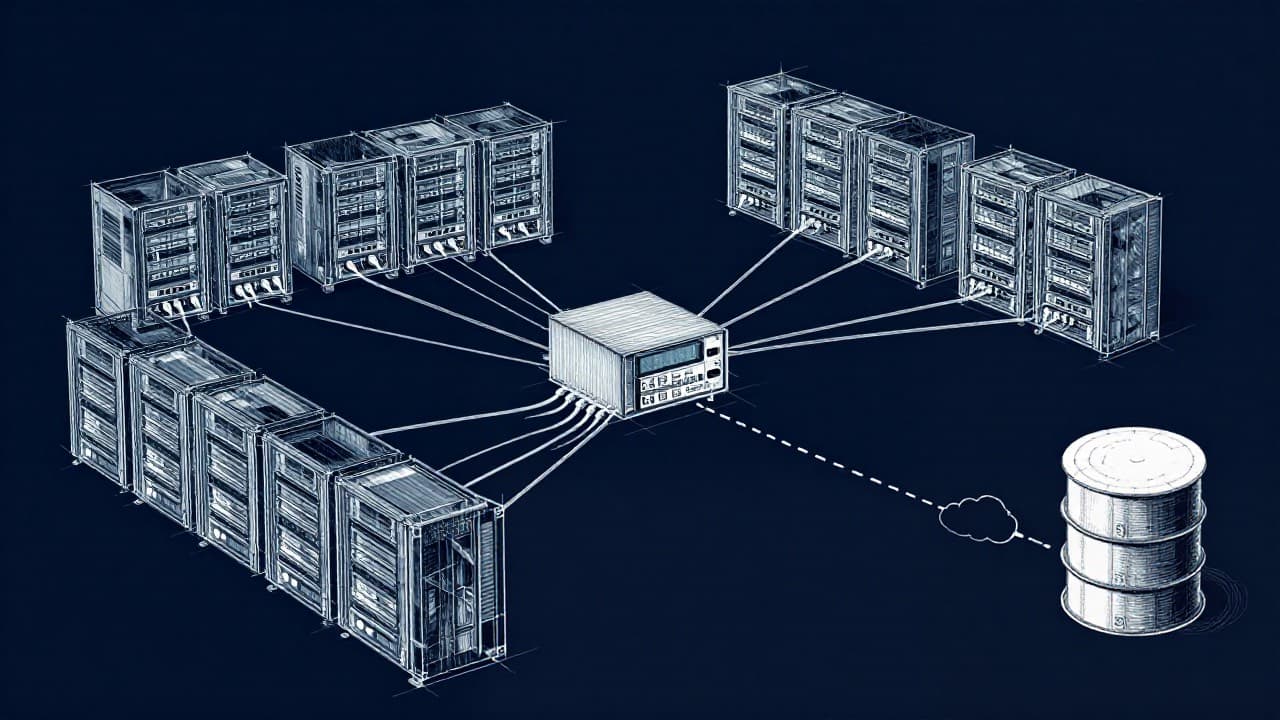
RIKEN’s Center for Computational Science operates two supercomputers for researchers in academia and industry. Fugaku, which entered shared use in March 2021, is a 537 petaflops system used in drug discovery, severe-weather forecasting, and simulations of airborne virus transmission. Rikyu is a 64 petaflops supercomputer used in AI scientific research.
In response, RIKEN shut down Fugaku on November 14, disabled users’ login keys, and asked users to revoke and replace any credentials stored on the supercomputer. Operations will resume only after ensuring safety through vulnerability remediation, server rebuilding, network configuration review, and advanced AI-driven security measures. Users are advised to revoke SSH keys and watch for suspicious emails impersonating RIKEN.