Russia Authorizes Temporary State Takeover of Unprotected Critical Infrastructure

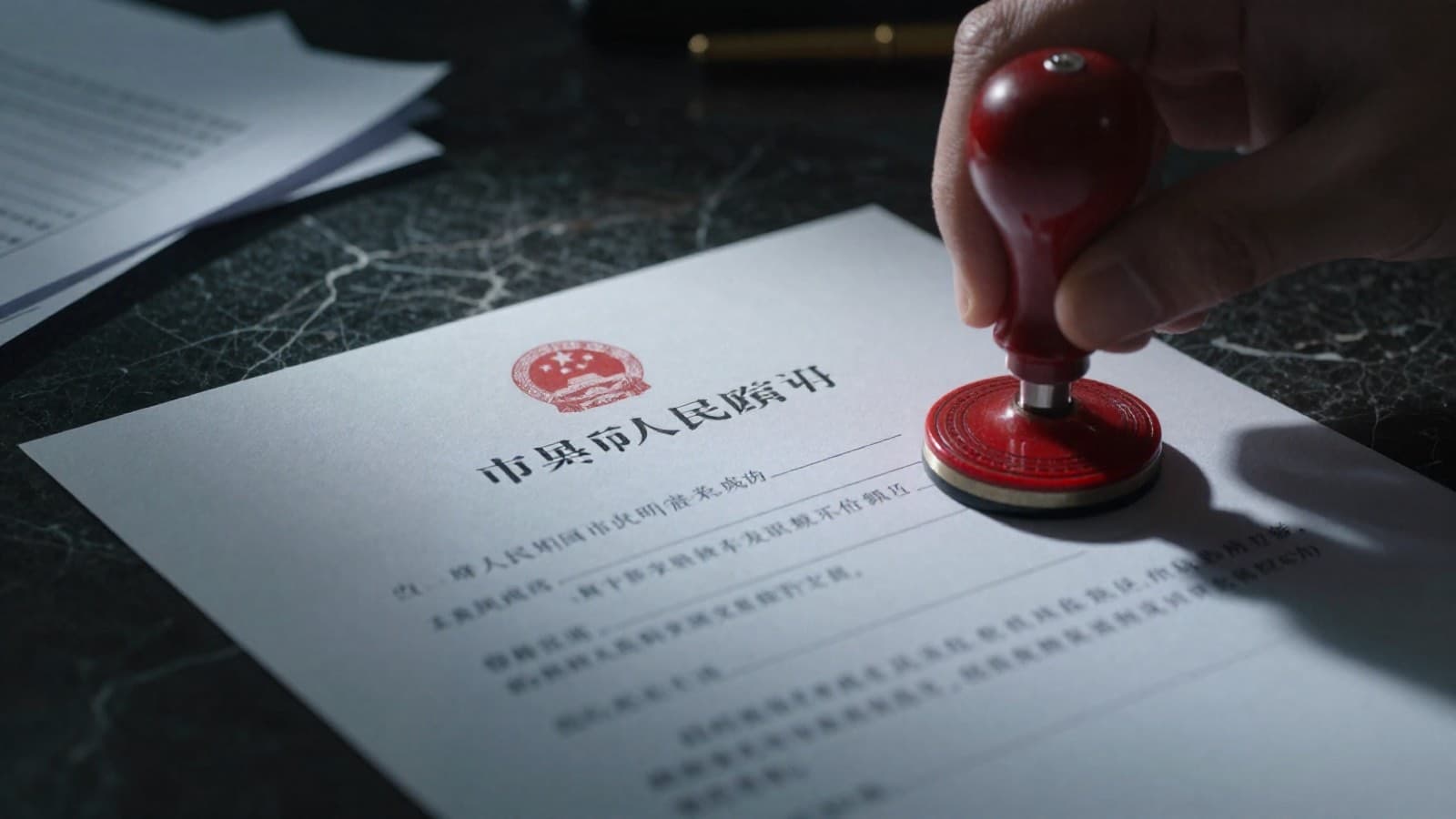
President Vladimir Putin has signed a decree that empowers the Russian government to appoint temporary managers for critical infrastructure facilities whose owners have failed to ensure adequate security. The measure directly targets operators of objects classified as critical infrastructure who have not met protection requirements. Under the new rules, the state can intervene by installing an interim administrator to oversee operations until security standards are satisfied. This approach aims to prevent potential disruptions or threats arising from insufficiently defended assets. The decree provides a legal mechanism for rapid governmental response without permanent nationalization of the facilities. It reflects ongoing efforts to strengthen oversight of sectors deemed essential to national security and stability.

AntiMalwareTranslated from Russian

Read at source

Owners of critical infrastructure who fail to implement proper protection measures now face the risk of temporarily losing control over their assets. President Vladimir Putin has signed a decree introducing new security measures for critical infrastructure objects, granting the government authority to appoint a temporary manager in such cases.

The decree establishes a clear procedure for intervention when operators do not meet required security standards. The appointed temporary administrator will assume management responsibilities for the affected facilities, ensuring operational continuity while security deficiencies are addressed. This mechanism applies specifically to assets designated as critical infrastructure whose inadequate protection could pose risks to national interests.

Officials emphasize that the measure is designed as a temporary safeguard rather than a permanent transfer of ownership. Once the necessary security improvements are verified, control is expected to return to the original owners. The policy targets sectors where lapses in protection could lead to significant operational or safety consequences.

Meridian digestThe week's most consequential security stories, distilled into one briefing.See the digest

More in Policy & Regulation

Russian Minister Proposes Blocking All SIM Cards Linked to Fraudsters Banned in MAX Messenger
Russia Ready to Disclose Source Code of Social Networks, Messengers and AI Models
Russia Mulls Mandatory Two-Week IMEI Registration for Foreign Smartphones via Gosuslugi