
Quantum Randomness Failures Allow AI to Extract Predictable Patterns from QRNG Devices
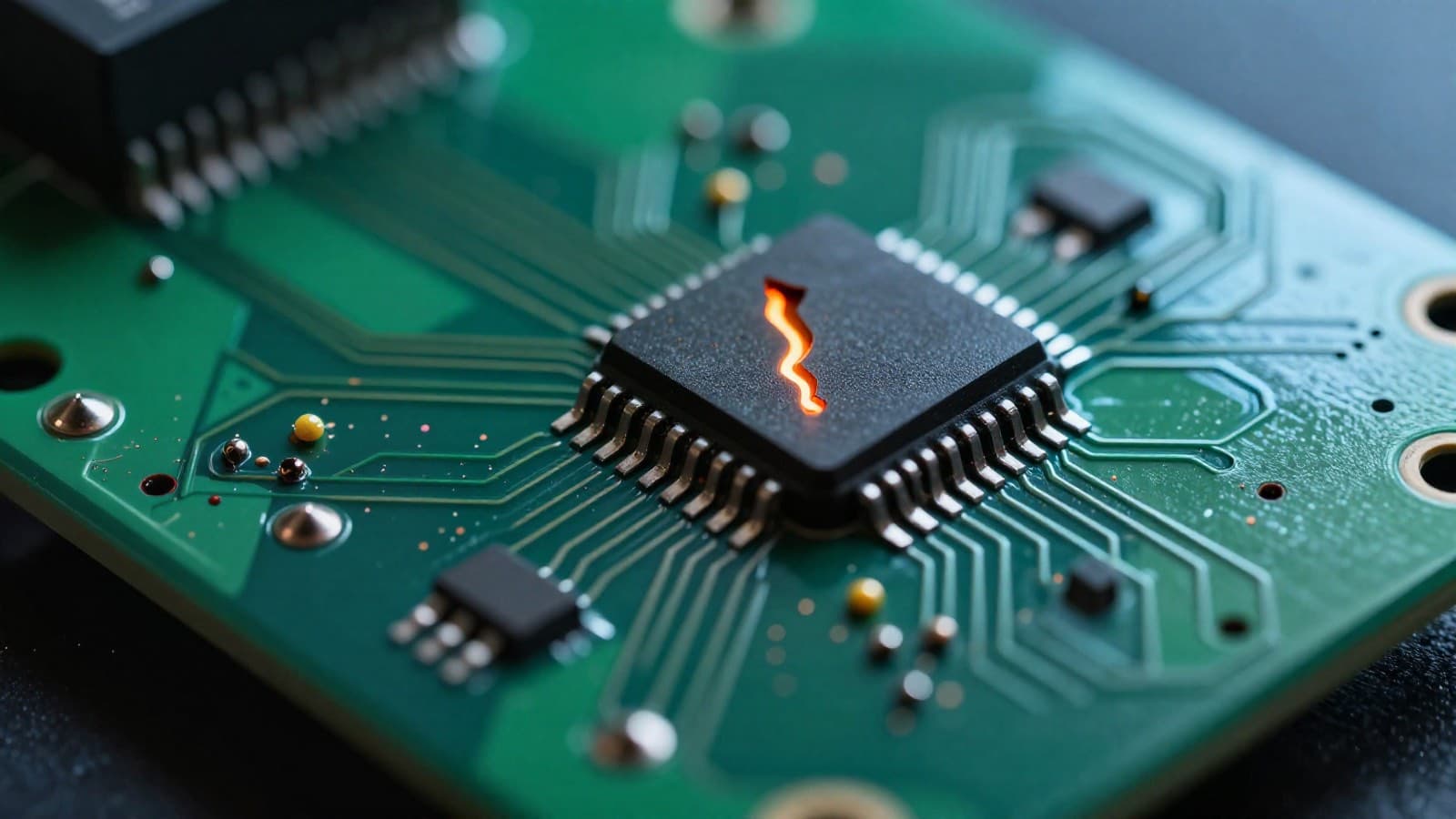
Quantum physics can generate true randomness, yet engineering flaws in QRNG implementations often introduce predictable noise that attackers can exploit. The European Telecommunications Standards Institute has published ETSI TR 104 171, a technical report guiding the design and evaluation of quantum random number generators used in cryptographic key creation. The report highlights that sensors, power supplies, signal processors, and post-processing algorithms can leak patterns even when statistical tests pass. Artificial intelligence systems are now capable of analyzing large datasets to detect these subtle correlations. Side-channel emissions such as power consumption and electromagnetic radiation further increase the risk by linking physical signals to output values. ETSI recommends adopting an entropy zero trust model that includes continuous monitoring, hardware protection, encrypted delivery channels, and detailed logging of generation events. In multi-tenant environments, client streams must remain isolated to prevent cross-contamination of entropy sources.
AntiMalwareSep 28, 2026Translated from Russian