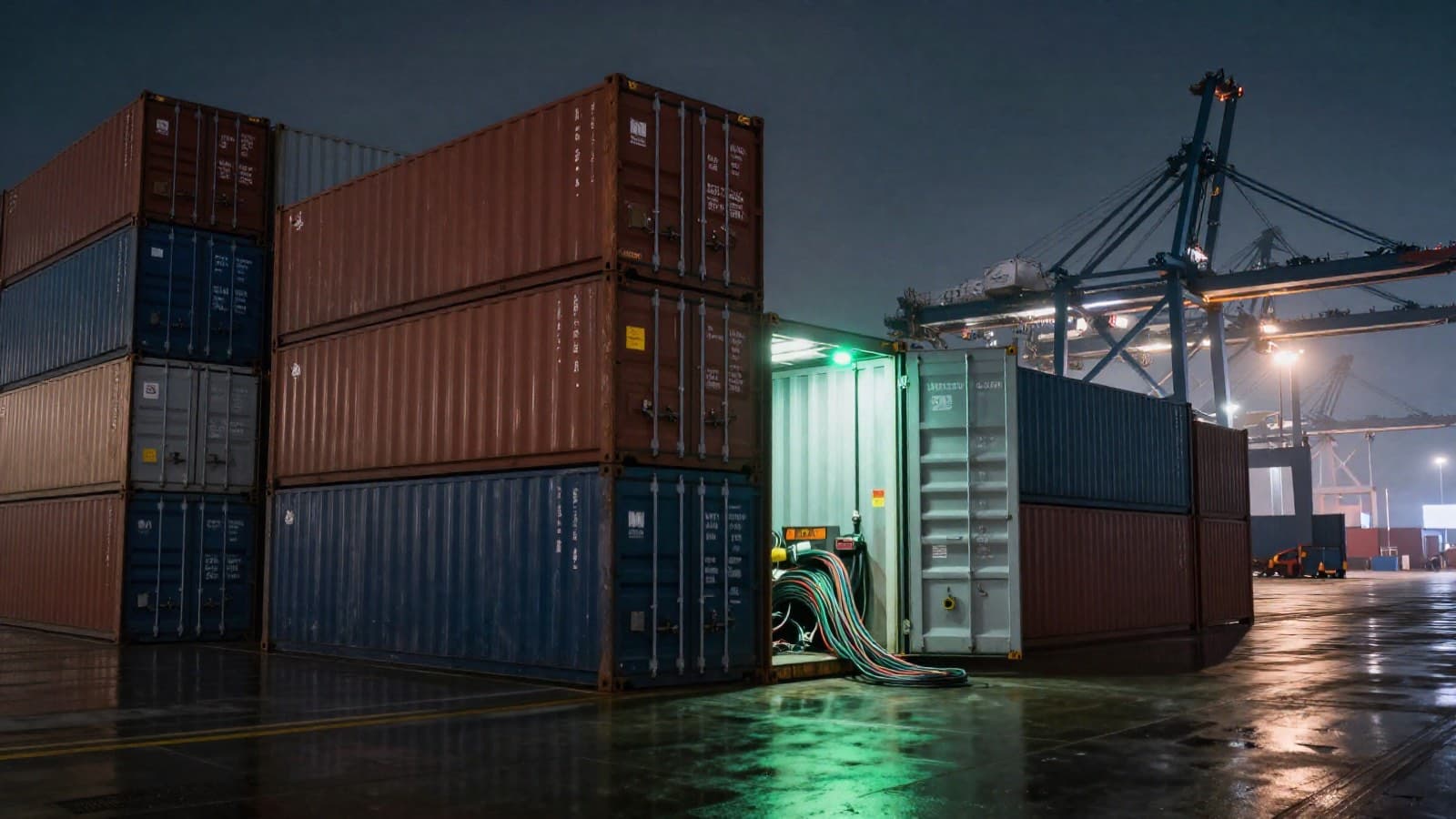
On the night of September 3, users worldwide noticed that ChatGPT, Claude, Grok, Copilot and Gemini had gone offline almost simultaneously. The outage lasted approximately three hours and forty minutes and was quickly labeled the largest reported AI service disruption to date.
The incident began at 9:30 a.m. Eastern Time when ChatGPT started failing. Within twenty minutes Downdetector recorded more than 12,000 user reports describing failed page loads, interrupted conversations and API timeouts. At roughly the same moment Anthropic’s Claude, xAI’s Grok, Microsoft Copilot and Google Gemini also became unreachable across North America.
Developers using the Cursor code editor were among the first to feel the impact. With the underlying models unavailable, code completion and AI-assisted suggestions stopped working, forcing teams to revert to manual coding for the remainder of the evening.
Attention quickly turned to the underlying cloud infrastructure. Both Azure and Cloudflare showed correlated spikes in error reports during the same window. Azure hosts compute resources for OpenAI, Anthropic and xAI, while Cloudflare was experiencing HTTP/3 connection problems with R2 custom domains and IP geolocation errors affecting WARP users.
The concentration of AI traffic through a handful of cloud providers created a classic single point of failure. Many organizations had built critical workflows—document generation, sales proposals, code pipelines—on the assumption that these upstream services would remain continuously available.
Security teams are advised to take four immediate steps: compile a complete map of AI service dependencies, define and test manual or local-model fallback procedures, subscribe to status-page alerts for Azure and Cloudflare, and incorporate model routing across multiple providers into production architectures.
The outage demonstrated that downtime has become the new breach for organizations that depend on AI. Future resilience will require treating cloud infrastructure concentration as a core supply-chain risk rather than an operational afterthought.